
Netflix-Warner Bros. Deal Sparks Hope for Batman: Arkham Series Revival

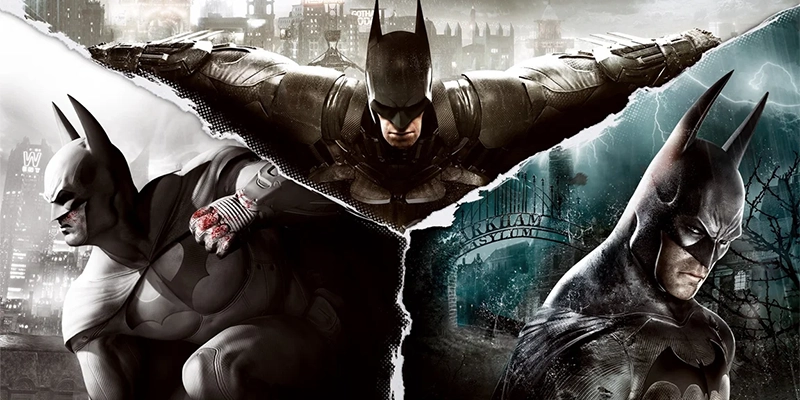
In the shadowed corridors of Gotham’s infamous asylum, where a caped crusader first grappled with madness in 2009, a new chapter may be unfolding. Batman: Arkham Asylum, the Innovative title that redefined superhero gaming, has sold over 12 million copies worldwide since its debut, cementing its place as a cornerstone of the medium. Now, a fresh partnership between Netflix and Warner Bros. Discovery is fueling speculation that the Dark Knight’s acclaimed Arkham saga could return, blending streaming entertainment with interactive storytelling in ways that echo the franchise’s innovative past.
The Enduring Legacy of the Arkham Series
The Batman: Arkham games emerged from a pivotal moment in gaming history, when developers sought to capture the essence of comic book icons through immersive, narrative-driven experiences. Rocksteady Studios, a British outfit founded in 2004, took the reins for the series, starting with Arkham Asylum. Released on August 25, 2009, for PlayStation 3, Xbox 360, and PC, the game thrust players into Batman’s world with fluid combat mechanics, detective puzzles, and a chilling atmosphere that paid homage to the works of creators like Bob Kane and Bill Finger.
What made Arkham Asylum stand out was its unflinching Look at psychological horror. Players navigated the crumbling halls of Arkham, facing off against villains like the Joker—voiced with manic glee by Mark Hamill—and Poison Ivy, all while uncovering a plot that tested the hero’s resolve. The title’s success wasn’t just commercial; it influenced an entire genre, proving that licensed properties could transcend tie-in mediocrity.
Evolution Through Sequels and Industry Impact
The Arkham series expanded rapidly, building on its foundation with each installment:
- Batman: Arkham City (2011): Set in a sprawling open-world prison district, this sequel introduced more freedom in exploration and gadgetry. It earned critical acclaim, with a Metacritic score of 96, and sold over 12 million units, showcasing how the series pushed boundaries in level design and storytelling.
- Batman: Arkham Origins (2013): Developed by WB Games Montréal, this prequel explored a younger Batman’s early years. Though it received mixed reviews for technical issues, it added depth to the lore, introducing characters like Deathstroke and Firefly.
- Batman: Arkham Knight (2015): Rocksteady’s finale delivered a visually stunning Gotham with the Batmobile’s integration into gameplay. Despite launch controversies over PC performance, it sold 5 million copies in its first year and wrapped the trilogy with emotional weight, focusing on Batman’s internal struggles.
Netflix’s Gaming Push and the Warner Bros. Partnership
Netflix, long a disruptor in entertainment, has been aggressively expanding into interactive content since 2019’s Black Mirror: Bandersnatch. The streaming giant now boasts over 80 million gaming hours played monthly across mobile titles, signaling a shift toward hybrid media experiences. In a move that bridges film, TV, and games, Netflix has inked a multi-year deal with Warner Bros. Discovery, announced this week, to bring a slate of DC properties to its platform. Details of the agreement remain partially under wraps, but it includes licensing for games tied to Warner’s vast IP library. Insiders suggest this could encompass remasters or new entries in the Arkham universe, potentially exclusive to Netflix’s growing game catalog. Warner Bros. Games, the publisher behind the originals using Unreal Engine 3, stands to benefit from Netflix’s global reach, which spans 190 countries.
“This partnership opens doors to reimagining iconic worlds in interactive formats,” said a Netflix spokesperson, emphasizing the synergy between binge-worthy narratives and player agency. (Note: Specifics on Arkham involvement are unconfirmed and based on industry reports; official announcements may clarify scope.)
The deal aligns with Warner Bros. Discovery’s strategy post-2022 merger, amid challenges like streaming wars and content costs. For the Arkham series, it could mean cloud-based access or even VR adaptations, reviving interest in a franchise dormant since 2015’s Knight. As Netflix integrates more games—think titles like Hades or the upcoming Squid Game adaptations—questions linger about monetization and accessibility. What could this mean for the future of gaming? Will streaming platforms like Netflix redefine how we experience beloved franchises, making epics like Arkham available without downloads, or will it fragment audiences further? Gamers and fans alike will watch Gotham’s skyline closely for the next signal.