
Backlash Brews as Escape from Tarkov Players Challenge New Map’s Multiplayer Shift

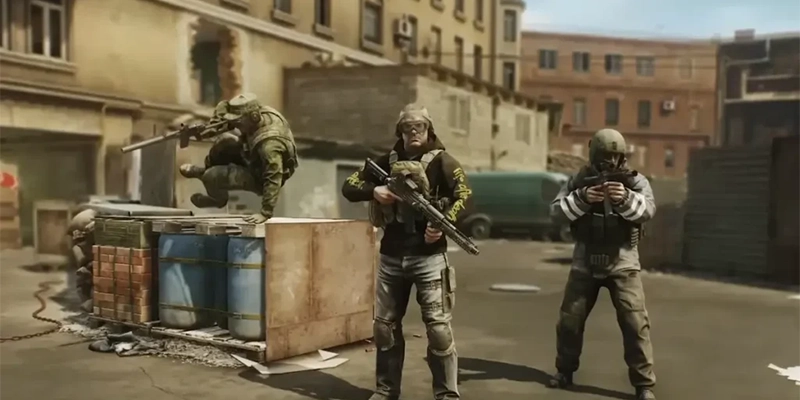
In the high-stakes world of extraction shooters, where every raid can mean the difference between glory and gear loss, Escape from Tarkov has long stood as a beacon of unforgiving solo play. Developed by Battlestate Games, the game immerses players in a gritty, post-apocalyptic Russian setting, demanding tactical precision and nerve-shredding decisions without the safety net of teammates. But as the title edges toward its full release on November 15, 2025, a fresh update introducing the Terminal map has ignited fury among its dedicated community, highlighting a growing tension in gaming: the push toward collaborative features in genres built on isolation.
The Terminal Map Controversy
Escape from Tarkov, which has been in early access since 2017, has cultivated a cult following through its blend of realism and risk. Players scavenge for loot in sprawling maps inspired by real-world locales, facing both AI scavengers and rival operators in matches that can last minutes or hours. The game’s appeal lies in its permadeath mechanics—lose your inventory, and it’s gone for good—fostering a lone-wolf ethos that mirrors survival tales from literature like Jack London’s The Call of the Wild, where self-reliance is paramount.
The introduction of the Terminal map, revealed in recent developer streams, was meant to expand this universe with a dense, urban airport layout teeming with close-quarters combat opportunities. However, players quickly zeroed in on a key deviation: the map isn’t “strictly solo.” Unlike core modes where players enter alone, Terminal incorporates dynamic AI companions and optional squad formations, allowing for emergent team-ups during raids. This shift, while innovative for variety, has sparked accusations of diluting the game’s hardcore identity.
Fan Reactions and Community Outcry
The backlash erupted across forums and social media within hours of the announcement, with veterans decrying the change as a betrayal of Tarkov’s roots. One prominent streamer, known for his solo raid marathons, captured the sentiment during a live reaction: > “I’ve sunk thousands of hours into this game because it forces you to think like a ghost in the machine—no hand-holding, no buddies to bail you out. Terminal feels like they’re turning my nightmare into a party.”
- Key Complaints from Players:
- Forced proximity to AI allies disrupts stealth tactics, making solo infiltration riskier in tight spaces like baggage claim areas.
- Squad options could favor casual players, potentially unbalancing matchmaking and extending queue times for purists.
- Historical parallels to past updates, like the 2023 Interchange overhaul, where loot spawns were adjusted amid similar uproar, fuel fears of ongoing monetization-driven tweaks.
Broader Implications for Extraction Shooters
This uproar isn’t isolated; it echoes trends in the genre where developers grapple with accessibility versus authenticity. Titles like Hunt: Showdown have experimented with role-based teams, boosting player retention by 25% in recent seasons according to industry reports, but at the cost of alienating solo enthusiasts. For Tarkov, with its Unity engine powering intricate ballistics and health systems, the Terminal map could test whether hybrid modes revitalize a player base strained by years of beta grinding.
Uncertainties linger around implementation details—will AI companions be optional, or do they spawn unpredictably? Battlestate’s track record of listening to feedback, as seen in ammo economy revamps post-2022 wipes, offers hope, but the community’s vigilance underscores a larger societal impact: in an era of interconnected gaming, preserving niche experiences like Tarkov’s solitude might define its legacy. As Escape from Tarkov prepares for full release, this debate invites players to ponder: What could this mean for the future of extraction shooters, where the line between lone survival and shared struggle increasingly blurs?