
Pi Coin Exhibits Early Signs of Rebound Potential Amid 28% Drop from November Highs

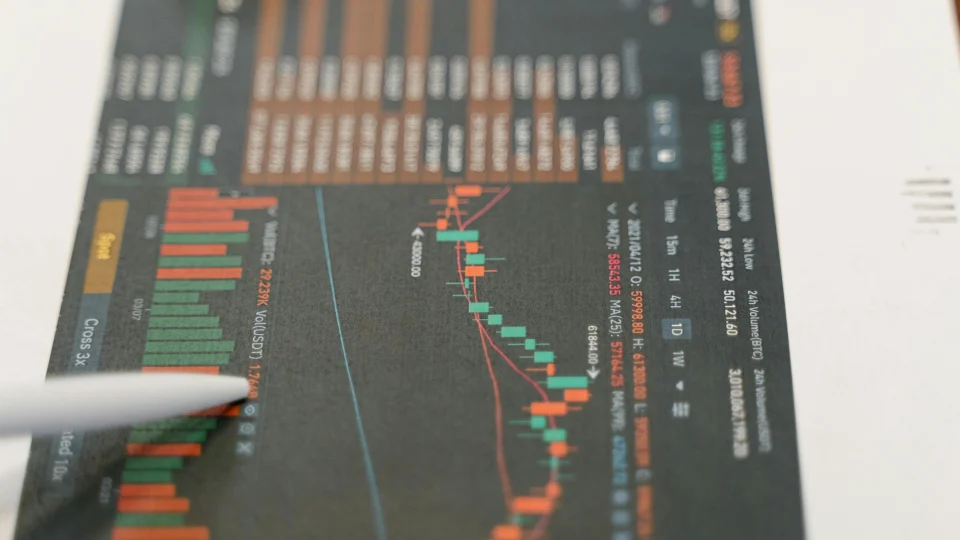
In the volatile world of cryptocurrency trading, investors in lesser-known tokens like Pi Coin often watch daily charts with bated breath, hoping for a shift in momentum after prolonged declines. As of December 14, 2025, Pi Coin’s price trajectory reflects this tension, having shed significant value since late November while technical indicators hint at possible stabilization.
Pi Coin's Market Performance and Technical Outlook
Pi Coin, a cryptocurrency associated with the Pi Network, has faced substantial downward pressure in recent months. Following a peak near the end of November, the token’s price has declined by approximately 28%, wiping out most prior gains. This correction aligns with broader market trends in the crypto sector, where smaller altcoins have underperformed amid macroeconomic uncertainties and reduced trading volumes. Over the past seven days, Pi Coin has registered an 8.6% loss, contributing to a more than 40% decline over the preceding three months. These figures underscore the token’s vulnerability to selling pressure, with trading activity concentrated on platforms like OKX. While the overall crypto market has seen mixed signals—Bitcoin holding steady above $90,000 and Ethereum facing similar dips—Pi Coin’s performance highlights the amplified risks for emerging projects still navigating post-launch challenges.
Momentum Indicators Point to Easing Selling Pressure
Technical analysis reveals subtle shifts that could signal the end of the current correction phase. On the daily chart, a hidden bullish divergence has emerged between November 4 and December 11. During this period, the price formed a higher low, while the Relative Strength Index (RSI)—a momentum oscillator measuring the speed and change of price movements—recorded a lower low.
- This divergence typically indicates fading selling momentum, as buyers begin to absorb supply without pushing prices lower.
- RSI values suggest that the rate of decline is slowing, a pattern often observed at the conclusion of sharp downturns, though it does not guarantee an immediate reversal.
- A break below the CMF trend line could invalidate rebound prospects, potentially extending the correction.
- Conversely, an uptick toward zero would confirm improving buyer interest, strengthening the case for short-term recovery.
However, caution persists due to the Chaikin Money Flow (CMF) indicator, which tracks capital inflows and outflows based on volume and price. Currently trading below the zero line and approaching a descending trend line connecting recent lower lows, CMF reflects ongoing dominance by sellers, particularly among larger institutional or “whale” participants.
These indicators imply that while downside risks remain, the setup favors a potential pause in the decline if broader market sentiment improves. Analysts note that such patterns in altcoins like Pi Coin often correlate with overall crypto market capitalization trends, which have stagnated around $3.2 trillion in recent weeks.
Critical Price Levels and Future Implications
The Pi Coin price now hovers at a pivotal juncture, with specific thresholds determining the next move. For a rebound to materialize, the token must reclaim the $0.222 level, representing about a 7% gain from current positions and signaling renewed buyer defense.
- Sustained trading above $0.222 could target $0.244 and potentially $0.253, assuming stable external conditions like reduced volatility in major cryptocurrencies.
- A decisive break above $0.284—the late November high—would indicate a full reversal, though this appears distant given current momentum.
On the support side, the $0.203 zone serves as a key floor. A daily close below this level would undermine the bullish divergence, exposing the price to further downside and possibly retesting lower supports from earlier in the year. Market implications extend beyond Pi Coin itself. As a mobile-mined token with a large user base from its Pi Network origins, any sustained recovery could boost adoption in emerging markets, where accessibility drives crypto interest. However, persistent weakness might erode confidence in similar community-driven projects, contributing to sector-wide outflows. Predictions remain uncertain without CMF confirmation, but historical data from comparable altcoin corrections suggests a 50-60% probability of at least a partial rebound within the next month if support holds. What are your views on Pi Coin’s potential recovery and its role in the broader altcoin landscape?