
Google’s Pixel 10 Pro Fold Emphasizes Durability in Latest Foldable Smartphone

Is durability finally catching up to innovation in the world of foldable phones?
Google's Pixel 10 Pro Fold: A Sturdy Evolution in Foldables
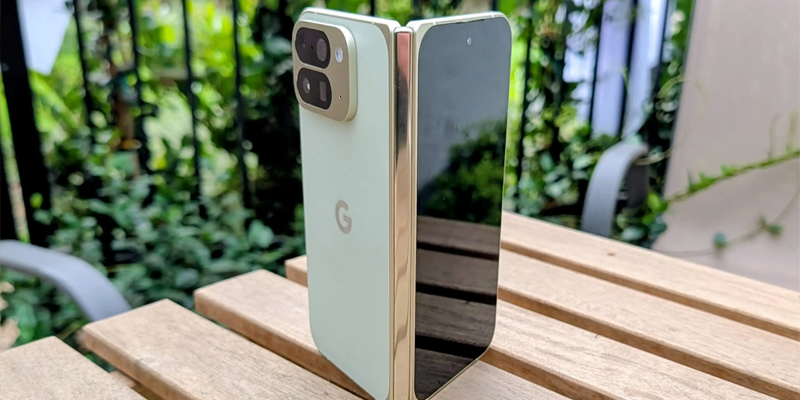
The Pixel 10 Pro Fold, Google’s latest entry in the foldable smartphone market, builds on its predecessor with a focus on robustness rather than radical redesign. Released as part of the Pixel 10 lineup, the device maintains a similar external appearance to the 2024 Pixel 9 Pro Fold but introduces enhancements aimed at addressing longstanding concerns about foldable longevity, such as hinge reliability, inner screen protection, and resistance to environmental hazards.
Design and Durability Upgrades
Google has prioritized sturdiness in the Pixel 10 Pro Fold, marking it as the first foldable in its lineup to achieve an IP68 rating for dust and water resistance. This certification suggests improved tolerance compared to previous models, though full submersion testing was not conducted in initial evaluations—real-world performance may vary based on usage conditions. Key changes include:
- A new gearless hinge that provides added resistance during folding and unfolding, resulting in a minimal gap when closed. This design aims to prevent dust particles and debris from entering and damaging the inner screen.
- Observations during pocket and bag use showed no lint accumulation affecting functionality, but extensive sand exposure remains untested.
- A larger battery than the prior model, contributing to potentially extended usage without compromising the form factor.
- A brighter display for better outdoor visibility, offset by notably thicker bezels around the screen compared to recent slab and foldable phones.
These updates position the Pixel 10 Pro Fold as a more resilient option amid user worries about foldables’ vulnerability to liquids, sand, and daily wear.
Performance, Software, and Hardware Specs
Powered by the Tensor G5 processor, the Pixel 10 Pro Fold handles everyday tasks adequately, including app navigation and basic multitasking. However, benchmark comparisons indicate it underperforms relative to competing chips from other manufacturers—specific scores were not detailed, but this gap highlights a focus on efficiency over raw speed. Software enhancements leverage Google’s AI ecosystem, with features carried over from the Pixel 10 Pro series:
- Magic Cue, which generates suggestions from screenshots and data in apps like Maps, Gmail, Messages, and Keep.
- Call translation capabilities.
- Gemini Live integration with video viewing support.
- A camera coach for real-time photo guidance.
- Dual displays: A cover screen and an inner foldable panel, both with 10-megapixel selfie cameras.
- Charging limited to 25W, without the Qi2 standard found on the Pixel 10 Pro XL.
- Vapor chamber cooling absent, potentially due to the foldable design constraints.
Hardware details include:
Multitasking remains functional but glitchy in some third-party apps, with calls for better developer support and features like multi-window interfaces seen in competitors.
Camera System and Limitations
The camera array on the Pixel 10 Pro Fold mirrors the previous year’s setup, prioritizing consistency over upgrades:
- 48-megapixel main sensor.
- 10.8-megapixel telephoto with 5x optical zoom.
- 10.5-megapixel ultrawide sensor.
- Unintended macro mode activation for small objects at moderate distances.
- Absence of the AI Zoom feature, limiting digital zoom to below 100x.
This configuration lags behind the Pixel 10 Pro’s higher-resolution sensors (50-megapixel main, 48-megapixel ultrawide and telephoto, 42-megapixel selfie). Daylight shots from the main camera deliver solid detail, but telephoto and ultrawide performance weakens, particularly in low light where only the main lens maintains quality. Notable issues include:
The camera module’s modest protrusion aids stability on flat surfaces, though it does not match the prowess of non-foldable Pixel models.
Pricing and Market Positioning
Priced at $1,799, the Pixel 10 Pro Fold undercuts Samsung’s Galaxy Z Fold 7 by $200, with potential discounts available through retailers. The “Pro” designation has drawn scrutiny, as the device trails slab Pro models in camera quality, cooling, and charging speed—possibly constrained by its foldable form. In a market dominated by slimmer designs from Samsung, Oppo, and Honor, Google’s approach yields a bulkier but more durable product. It appeals to users seeking a seamless Pixel experience in foldable format, though improvements in app optimization and hardware parity could broaden its appeal. What could this emphasis on durability mean for the future of foldables, as manufacturers balance thinness with everyday reliability?