
Jury Rules Apple Owes Masimo $634 Million in Apple Watch Patent Infringement Case

Imagine slipping on your Apple Watch for a morning run, glancing at your heart rate and blood oxygen levels to ensure everything is on track—features that have become routine for millions of users. Now, those capabilities are at the center of a major legal showdown that could reshape how health tech integrates into everyday gadgets.
Apple-Masimo Patent Battle Reaches Milestone Verdict
A federal jury in California delivered a significant ruling on Friday, November 15, 2025, finding that Apple infringed on a Masimo patent related to blood oxygen monitoring technology. The decision mandates that Apple pay the medical device company $634 million in damages, focusing on specific features in the Apple Watch.
Details of the Jury's Decision
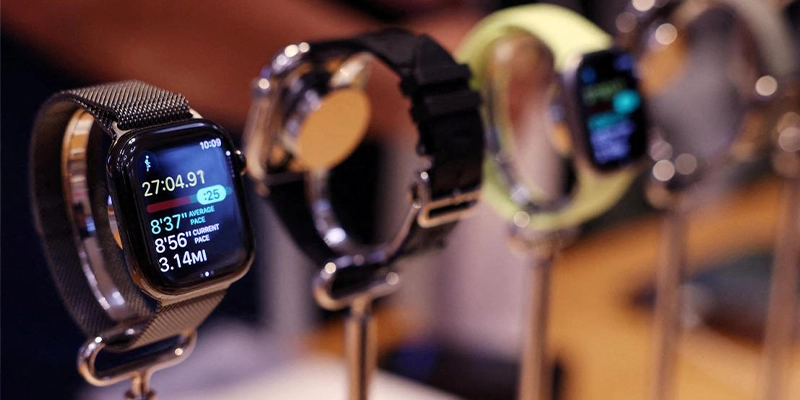
The verdict specifically targeted two Apple Watch functionalities: the workout mode and heart rate notification features, which the jury determined violated Masimo’s patent on pulse oximetry—a technology that uses optical sensors to measure blood flow and oxygen saturation.
- Damages Awarded: $634 million, covering infringement claims tied to the patented technology.
- Patent Scope: The ruling pertains to a single patent, which Apple noted expired in 2022 and relates to older patient monitoring methods.
- Location of Trial: U.S. District Court in the Northern District of California.
Masimo celebrated the outcome in an official statement: “This is a significant win in our ongoing efforts to protect our innovations and intellectual property, which is crucial to our ability to develop technology that benefits patients. We remain committed to defending our IP rights moving forward.” Apple, in response, indicated plans to appeal. A company spokesperson stated: “The single patent in this case expired in 2022, and is specific to historic patient monitoring technology from decades ago.”
Historical Context and Ongoing Disputes
The conflict between Apple and Masimo dates back several years, rooted in accusations of intellectual property theft in the wearable health tech space. Masimo, a leader in non-invasive patient monitoring, alleged that Apple poached key employees—including its chief medical officer—and incorporated proprietary pulse oximetry tech into the Apple Watch without permission. Key milestones in the dispute include:
- 2023 U.S. International Trade Commission (ITC) Ruling: The ITC sided with Masimo, imposing a ban on importing Apple Watches equipped with blood oxygen monitoring features. This led to the temporary disablement of the functionality in U.S.-sold models starting late 2023.
- Apple’s Countersuit (October 2024): In a related trial, Apple prevailed, securing the statutory minimum of $250 from Masimo for infringing Apple design patents on watch aesthetics.
- August 2025 Apple Update: To address the import ban, Apple rolled out a revised blood oxygen feature that processes readings on the paired iPhone rather than the watch itself, aiming to comply with restrictions.
- Additional Legal Actions: Masimo filed a lawsuit against U.S. Customs and Border Patrol in August 2025 over approvals for the updated Apple Watch imports. Separately, Apple petitioned a U.S. appeals court in July 2025 to lift the ITC ban entirely.
These developments highlight the broader tensions in the gadgets industry over health monitoring innovations, where patents can influence product availability and consumer access to features.
Implications for Wearable Tech and Future Appeals
The $634 million award underscores the financial stakes in patent litigation for consumer electronics, particularly in health-focused gadgets like smartwatches. While the verdict bolsters Masimo’s position, Apple’s appeal could delay or alter enforcement, potentially affecting ongoing product updates. No immediate changes to Apple Watch sales or features have been announced as a result of the ruling. The case also reflects growing scrutiny on how tech giants integrate medical-grade tech into consumer devices, with potential ripple effects on innovation and market competition. As wearable health tools become more embedded in daily life, this dispute raises questions about the balance between accessibility and intellectual property protection. Would you adjust your reliance on smartwatch health features knowing the tech behind them is under legal fire?