
Blue Bomber’s Bold Comeback: Capcom Unveils Mega Man Dual Override

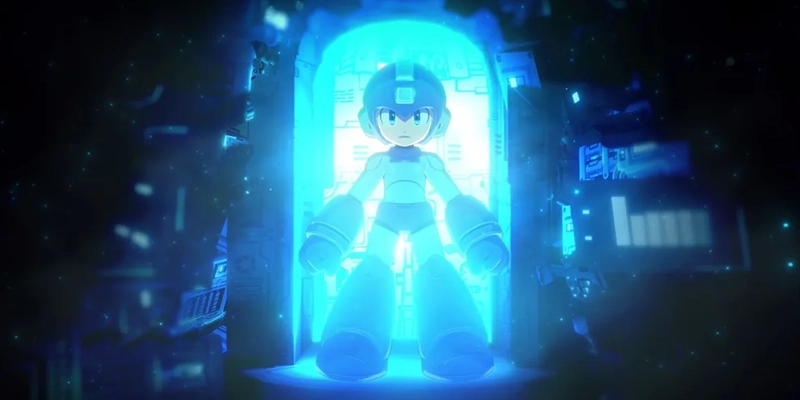
What if a pixelated hero from the ’80s could dust off his helmet and charge forward into a new era, blending nostalgia with modern polish? For fans of the enduring Mega Man series, that question feels tantalizingly close to reality after Capcom’s surprise reveal at a major industry event.
A Nostalgic Revival in 2.5D Glory
The announcement of Mega Man Dual Override marks a significant moment for one of gaming’s most iconic franchises, pulling the Blue Bomber back into the spotlight after a period of relative quiet. First introduced in 1987 on the Nintendo Entertainment System, Mega Man—created by Capcom—revolutionized the platformer genre with its fast-paced action, inventive boss battles, and robot master mechanics. Players would navigate treacherous levels, absorb enemy weapons to gain new abilities, and face off against Dr. Wily’s diabolical creations. Over the decades, the series spawned numerous sequels, spin-offs like Mega Man X, and even collections that kept the legacy alive on modern platforms.
Yet, after the mixed reception to Mega Man 11 in 2018, which introduced gear mechanics but struggled to recapture the series’ spark, enthusiasts wondered if Capcom had shelved the character for good. This new entry promises a return to the franchise’s 2D roots, presented in a fresh 2.5D visual style that adds depth without abandoning the side-scrolling purity. A brief teaser showcased Mega Man leaping across platforms, firing his signature arm cannon, and recoiling from enemy hits in classic fashion—evoking memories of pixelated showdowns against foes like the infamous Yellow Devil. While details remain sparse, the game’s traditional formula suggests core elements like stage selection, weapon-swapping, and challenging boss fights will endure.
Teaser Highlights and Gameplay Glimpses
The reveal trailer, though short, offered just enough to fuel excitement among long-time fans. Here’s what stood out:
- Visual Evolution: The 2.5D art style modernizes Mega Man’s design, giving him a sleeker, more dynamic look while preserving the vibrant, retro-inspired color palette that defined the originals.
- Core Mechanics: Footage depicted fluid jumping, precise shooting, and the satisfying knockback on damage—hallmarks of the series that emphasize tight controls and quick reflexes.
- Platform Support: Surprisingly, the game is slated for last-generation consoles, ensuring accessibility for players without the latest hardware.
“He jumps! He shoots! He gets knocked back when he gets hit. What more do you want, folks?” remarked one observer, capturing the straightforward appeal that has hooked generations.
Historically, Mega Man’s influence extends beyond gameplay; it inspired countless indie developers and even cultural nods in media, from cartoons to merchandise. However, the series faced hurdles in the mid-2010s, including canceled projects and a perceived shift in Capcom’s priorities toward blockbusters like Resident Evil and Street Fighter. This announcement hints at a course correction.
Capcom’s Renewed Commitment to Legacy Titles
Capcom’s track record has evolved notably in recent years, moving from experimental misfires to more assured projects that honor their catalog. Titles like last year’s Kunitsu-Gami: Path of the Goddess demonstrated the company’s willingness to blend tradition with bold ideas, even for non-mainstream releases. This contrasts with earlier struggles to revitalize Mega Man, where fan campaigns and rumors of 3D adaptations fizzled out. For Dual Override, the hope is that it injects fresh elements—perhaps dual-character mechanics hinted at in the title—to breathe new life into the formula.
Uncertainties linger around the exact innovations, as the teaser avoided specifics, and the distant launch date suggests potential delays or pivots common in early-stage productions. Still, it could pave the way for broader resurgence, including a Mega Man X revival or the long-dreamed 3D entry. The societal impact of such revivals is subtle but meaningful: they preserve gaming history, introduce classics to younger audiences, and sustain communities built around speedruns and fan art. In an industry dominated by live-service giants, niche returns like this remind us of platformers’ enduring charm. How do you see this shaping the future of retro-inspired gaming—will it spark a wave of similar comebacks, or remain a one-off treat for die-hards?