
Half-Life Fans Erupt in Frustration After Another Quiet Game Awards

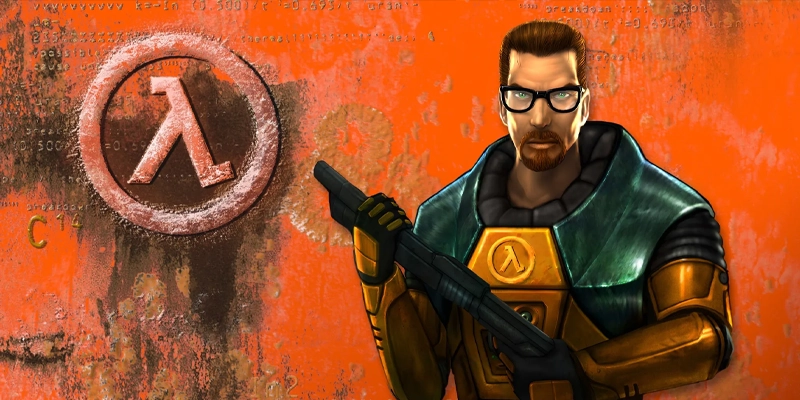
In the dim glow of screens across living rooms and convention halls, a familiar ritual unfolded on December 12, 2025: thousands of gamers tuned into The Game Awards, hearts pounding with the slim hope that Valve might finally break its silence on Half-Life 3. For one longtime fan in Seattle, the evening started with cautious optimism—decked out in a faded orange HEV suit replica, he refreshed social media feeds between award segments. But as the show wrapped without a whisper of the long-awaited sequel, that hope curdled into raw disappointment, echoing a saga that’s gripped the gaming world for over two decades.
The Enduring Wait for Half-Life 3
The Half-Life franchise, born from Valve’s innovative storytelling in 1998, has long been a cornerstone of first-person shooter lore. Gordon Freeman’s silent battle against alien invaders in Black Mesa set a new standard for immersive narratives, blending physics-based puzzles with tense combat. The 2004 release of Half-Life 2 amplified this legacy, introducing the iconic Gravity Gun and a dystopian City 17 that felt palpably alive. Yet, despite teases like the 2006 episodes and the 2020 VR spin-off Half-Life: Alyx—which revitalized the series with advanced virtual reality mechanics—Valve has remained notoriously tight-lipped about a true third installment.
Fans’ anticipation reached a fever pitch at The Game Awards, an annual event known for blockbuster reveals from studios like Nintendo and Ubisoft. This year’s ceremony, held in Los Angeles, showcased announcements for titles like the next Elder Scrolls entry but conspicuously skipped any Half-Life updates. The absence sparked immediate backlash online, with social media platforms lighting up in what many described as a collective “meltdown.”
Fan Reactions Ignite Social Media Storm
The post-show fallout was swift and visceral, as evidenced by surging discussions on platforms like Twitter (now X) and Reddit. Within hours, hashtags such as #HalfLife3Confirmed (ironically repurposed) and #ValveWhereIsIt trended globally, amassing over 500,000 mentions by midday on December 12.
- Key sentiments included betrayal and exhaustion: One Reddit user in the r/HalfLife subreddit posted, “18 years of waiting, and TGA just rubs salt in the wound. Alyx was amazing, but we need Freeman back in a full sequel.”
- Memes proliferated, featuring Gordon Freeman’s crowbar smashing award trophies or Alyx Vance facepalming at Valve’s headquarters in Bellevue, Washington.
- Community polls on Discord servers showed 72% of respondents rating their disappointment as “extreme,” with many citing the event’s history of surprise drops—like the 2019 Doom Eternal reveal—as fuel for their expectations.
Historical Context and Broader Industry Impact
To understand the fervor, one must revisit Half-Life’s turbulent path. Launched amid the late ’90s FPS boom alongside Quake and Unreal, it stood out for its seamless integration of story and gameplay, eschewing cutscenes for in-world scripting. Valve’s decision to release the Source engine as modifiable code empowered modders, birthing hits like Portal and Team Fortress 2 from the same ecosystem. The sequel drought began post-2007’s Episode Two, with Gabe Newell, Valve’s co-founder, famously quipping in interviews that “Half-Life 3 is greenlit in [fans’] hearts.” Alyx’s 2020 debut, exclusive to VR, sold millions but divided audiences due to its hardware demands, underscoring accessibility challenges in gaming.
“The Half-Life series redefined player agency, but its absence has become a cautionary tale for unfinished narratives in the industry,” remarked a games journalist in a post-awards analysis.
This latest snub at The Game Awards amplifies ongoing debates about developer accountability. With indie scenes thriving and AAA delays plaguing releases like Starfield, fans question if beloved franchises like Half-Life risk fading into nostalgia. Societally, the meltdown highlights gaming’s passionate communities, where unmet expectations can foster both creativity—through fan mods and theories—and frustration that spills into broader cultural conversations about corporate silence. As the dust settles from another awards night without resolution, gamers worldwide are left pondering: In an era of endless sequels, what does the Half-Life wait say about the games that truly endure? What franchise are you holding out hope for in the next big reveal?