
Spotify Bolsters Music Metadata Capabilities with WhoSampled Acquisition

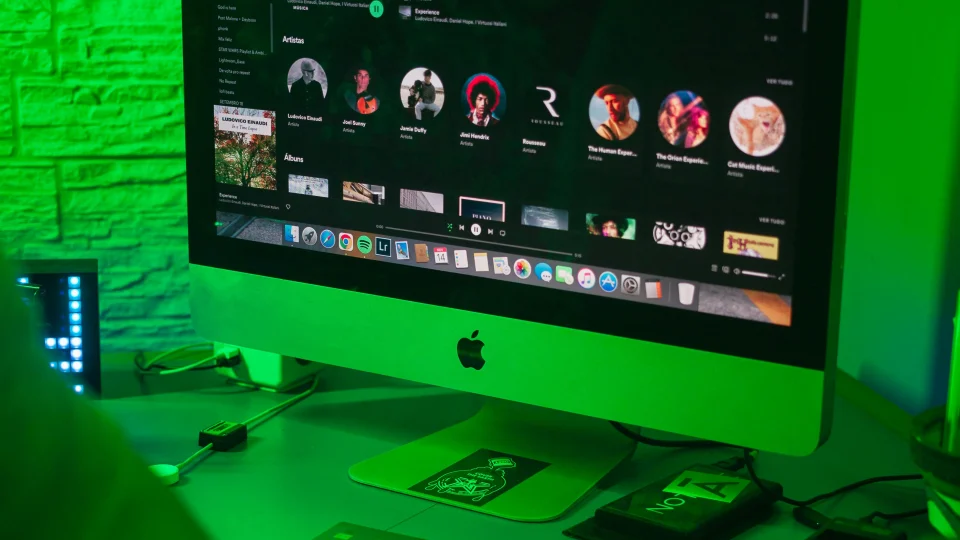
Spotify’s recent acquisition of WhoSampled, a database cataloging over 1.2 million songs and nearly 622,000 samples, marks a strategic move to deepen contextual insights in music streaming. This integration aims to enhance user engagement through enriched metadata, reflecting broader trends in software platforms prioritizing data-driven personalization in the competitive audio sector.
Spotify’s Strategic Expansion in Music Discovery
The acquisition, announced on November 19, 2025, encompasses both the WhoSampled database and its small team of approximately 10 employees. Financial terms remain undisclosed, introducing some uncertainty regarding the deal’s valuation in a market where music tech acquisitions often range from tens to hundreds of millions based on comparable transactions. This move builds on a prior partnership established in 2016, where WhoSampled integrated Spotify playlists to facilitate sample and remix exploration for users. WhoSampled, founded in 2008 and headquartered in London, has evolved into a comprehensive resource for tracking musical interconnections, including covers, remixes, and artist collaborations. Its community-driven model has amassed a vast repository, providing granular details that extend beyond traditional track listings.
Historical Context and Database Scale
Launched amid the rise of digital music sharing, WhoSampled addressed a gap in understanding musical influences, particularly sampling—a technique pivotal in genres like hip-hop and electronic music. By 2025, the platform’s database reflects the exponential growth of recorded music, with global streams surpassing 4 trillion annually according to industry benchmarks. Key statistics from the acquisition highlight its scale:
- Over 1.2 million songs documented.
- Nearly 622,000 samples cataloged.
- Coverage of artists, remixes, and covers spanning multiple decades.
“Through our recent discussions with Spotify, it became clear that we share a strong belief in the power of musical context — and a vision for helping listeners go deeper into the songs they love,” stated the WhoSampled team in their announcement. “Spotify has shown a genuine commitment to our mission, and we couldn’t have found a better home for WhoSampled.”
Implications for Software Integration and User Experience
Post-acquisition, WhoSampled’s standalone platform and brand will persist, signaling Spotify’s intent to leverage rather than absorb the asset fully. Planned software updates include accelerated moderation for user submissions, elimination of display ads, and free access to mobile applications—shifts that could reduce operational friction and boost community contributions. In the broader software landscape, this deal underscores the value of specialized databases in enhancing AI-driven features. Music streaming revenues reached $28.6 billion globally in 2024, with metadata improvements cited as a key driver for 10-15% year-over-year growth in premium subscriptions.
For Spotify, integrating WhoSampled’s data may refine its 600 million-plus user base’s discovery processes, mitigating churn in a market where 25% of listeners report dissatisfaction with generic recommendations. However, uncertainties persist around data privacy and integration timelines, as merging community-sourced content with Spotify’s proprietary systems could raise compatibility challenges. Analysts predict this could position Spotify ahead of rivals like Apple Music and YouTube Music, which have invested in similar contextual tools but lag in sample-specific depth. As music software evolves, developers and creators might explore how enriched metadata APIs could transform app functionalities—would integrating similar databases elevate your project’s user engagement?