
TikTok Rolls Out Badges and Tools to Encourage Balanced Screen Time

TikTok Enhances Digital Well-Being with New Features for Users
TikTok, a leading short-form video platform with over 1.5 billion monthly active users globally, has introduced a suite of digital well-being tools designed to mitigate excessive screen time, particularly among teenagers. These updates, including reward badges for moderated usage, reflect a broader industry shift toward integrating mental health supports into social media applications.
Core Features of the Redesign
The platform has overhauled its screen time management interface to incorporate proactive wellness elements. Key additions include:
- Affirmation Journal: Users can access more than 120 positive prompts to set daily intentions, promoting mindfulness and self-reflection. Early testing indicated this as the most engaged feature, with increased visits to the well-being section compared to the prior screen time menu.
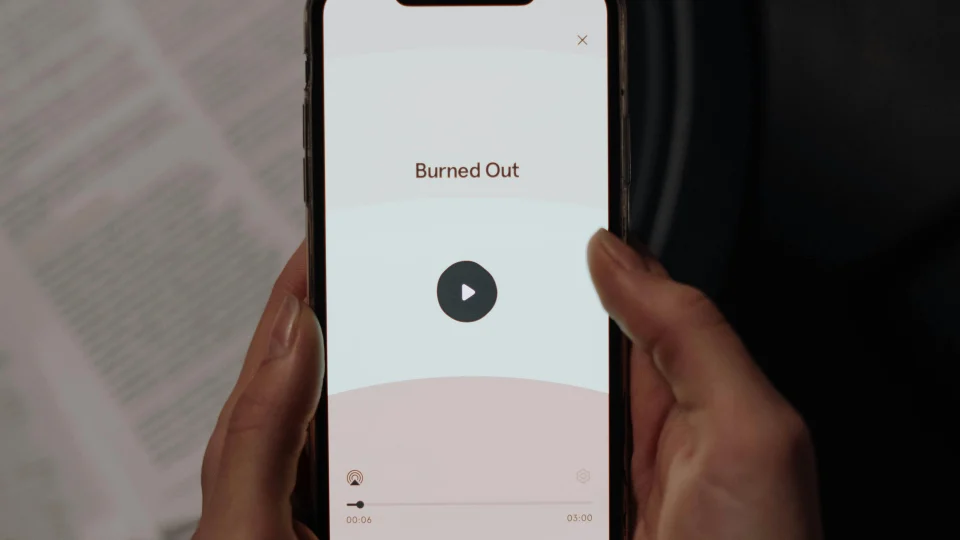
- Background Sound Generator: This tool offers calming audio options, such as rain or ocean waves, to create a soothing environment during app sessions.
- Breathing Exercise Module: A guided component to encourage short relaxation breaks, aimed at reducing stress from prolonged scrolling.
Additionally, the updated page curates content from creators discussing strategies for limiting screen time, utilizing parental controls, and personalizing feeds. TikTok will prompt users with links to these tools during late-night sessions or upon reaching daily limits, fostering habitual moderation without abrupt interruptions.
Reward System and Focus on Teens
To incentivize responsible usage, TikTok has implemented a badge system, drawing from academic research on digital well-being. Studies reviewed by the company suggest that overly restrictive measures can negatively impact adolescents, potentially leading to increased anxiety or disengagement. Instead, the badges emphasize positive reinforcement through achievable “missions,” particularly tailored for teens:
- Completing a sleep hours mission by refraining from app use at night.
- Engaging with meditation tools, including the new breathing exercises.
- Setting and adhering to a daily screen time limit.
- Reviewing weekly usage reports.
- Inviting friends or family to participate in well-being challenges.
This gamified approach aims to build sustainable habits rather than enforce compliance. While specific adoption metrics from testing show higher engagement, long-term efficacy remains uncertain, as no quantitative data on reduced screen time or improved mental health outcomes was detailed.
Broader Industry Trends and Implications
These enhancements align with recent developments across the tech sector, where platforms are prioritizing user safety amid growing concerns over digital addiction and youth mental health. For instance, TikTok expanded parental controls in July 2025, allowing guardians to block accounts and receive notifications for teen uploads. Similar initiatives from competitors—such as Meta’s PG-13 content defaults for teens, YouTube’s mental health resource prioritization, OpenAI’s age-based ChatGPT restrictions, and Discord’s purchase monitoring—indicate a market-wide response to regulatory pressures and public scrutiny. From a market perspective, such features could enhance user retention by addressing burnout, potentially stabilizing engagement rates in a competitive social media landscape valued at over $200 billion annually. However, their societal impact on reducing “doomscrolling”—the compulsive consumption of negative content—will depend on user adoption and integration with broader wellness ecosystems. Analysts note that while tools like these promote autonomy, their success hinges on avoiding unintended consequences, such as heightened self-monitoring stress. As digital platforms evolve, these well-being integrations raise questions about balancing innovation with user protection. Would incorporating similar reward systems into your daily app routines help cultivate healthier digital habits?